
Every Drop Counts: How to be water-wise in your bakery
With water tariffs rising and demand set to outstrip supply by 2025, a few simple changes can save a bakery water, energy and money.
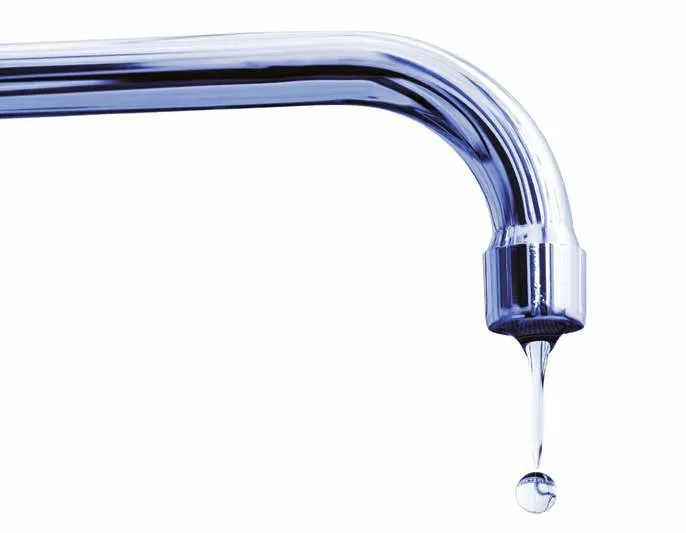
Don’t let drips and drops run their way to the top of your expense list. Every drop counts, especially when pre-paid water systems and hiked water tariffs have become a reality to South Africans. Food service establishments account for a large amount of the total water use in commercial and institutional facilities in South Africa. So much so, that The Rand Water is predicting that demand for water in South Africa will outstrip supply by 2025.
…97% of the earth’s water is in the oceans. Only 3% of the earth’s water can be used as drinking water. 75% of the world’s fresh water is frozen in the polar ice caps. Over 6 billion people must then share the remaining water.
Tips To Save Water
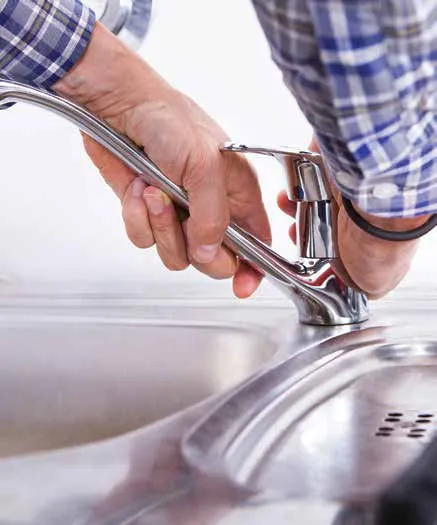
- Tighten all taps and fix broken water pipes. Water leaks may be the most unexpectedly detrimental issues in the commercial kitchen setting.
- Do not thaw foods under running water. Thawing foods under running water requires several gallons to warm food from its frozen state.
- Install low-flow pre-rinse spray valves. An easy and cost-effective way to conserve water is achieved by installing a low-flow pre-rinse spray valve. These get the job done just as well as standard models but save a bundle in water costs.
- Check automatic sensors on faucets, toilets, and urinals to ensure they are operating properly and avoid unnecessary water use.
- Older tanks don’t have insulation built in, so wrap them in an insulation blanket to keep your water warm.
- Consider replacing equipment that discharges water continuously (e.g. dipper wells or wok stoves) with efficient models or turn off when not in use. Streams of water or water-consuming equipment are often left flowing or operating when not needed. Water conservation can be as simple as turning down a valve or turning off a switch.
As a bakery, it is always important to keep in mind that water is reusable and not renewable. It is important to note that everyone across the water supply chain has an important role to play; from consumers making responsible water saving choices, to retailers implementing water saving methods in bakeries.
More stories
More Sustainability →
Anchor Yeast brightens the lives of more than 100 pre-school children
Anchor Yeast has completed new classrooms, toilets, a kitchen and an office for the Hope Early Development Centre in Diepsloot, Johannesburg.

It’s Cool to Care: Millennials love brands with a purpose
Millennials reward companies that support social and environmental causes, and bakery brands such as Blue Ribbon are taking up the challenge.

Dave Collier: An interview with Spar’s National Bakery Manager
We talk to Dave Collier, SPAR’s National Bakery Manager, to find out how became a baker, what interesting products have been launched at SPAR, as well as why he loves baking.